


Japan
Hinamatsuri - The Doll Festival
Publié le 24 February 2026
桃の節句 - A Celebration of the Japanese Spring
In Japan, spring does not begin only with the blooming of cherry blossoms. It arrives gradually, carried by a sense of anticipation and renewal. One of its earliest and most elegant expressions is Hinamatsuri, celebrated each year on March 3rd.
Also known as Momo no Sekku - the “Peach Blossom Festival” - this centuries-old tradition is dedicated to the health, happiness, and prosperity of young girls. Graceful, colorful, and deeply symbolic, it embodies the refined spirit of the Japanese spring.
A Tradition Rooted in History
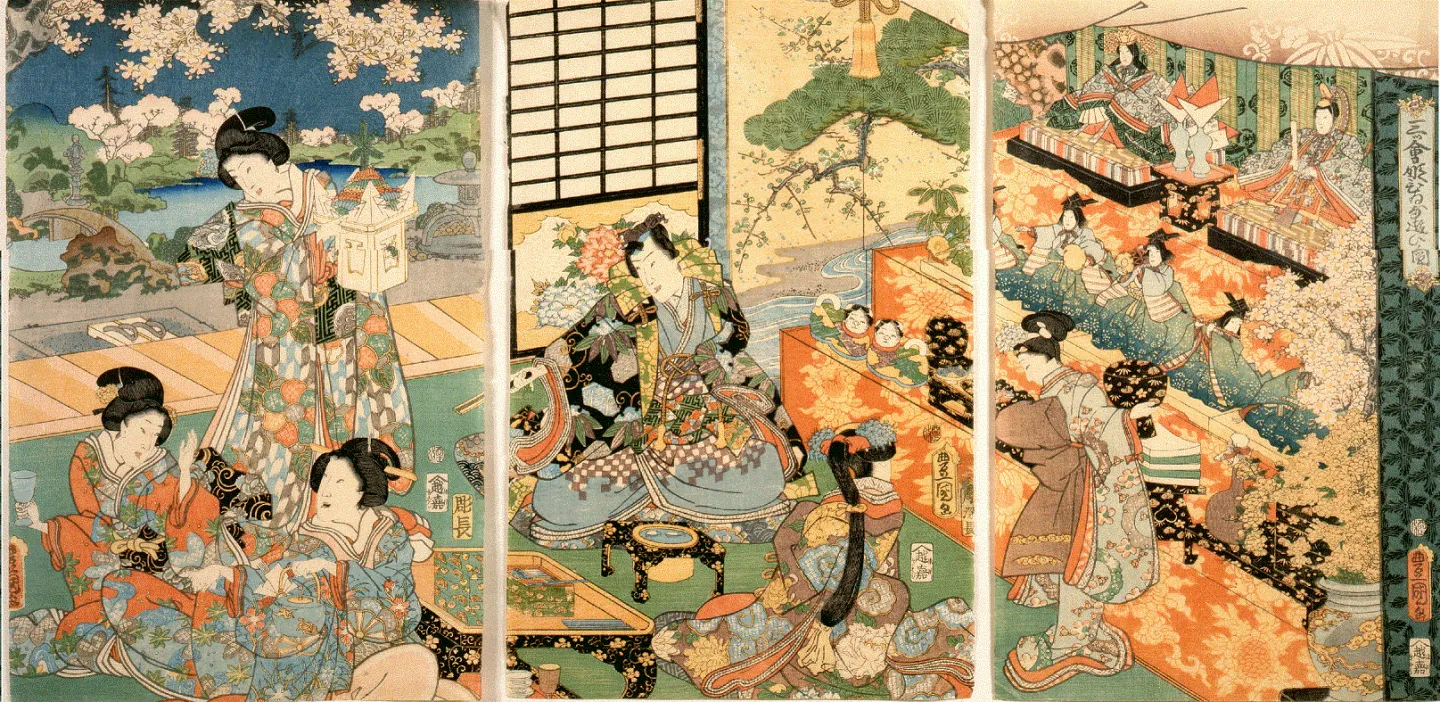
The origins of Hinamatsuri date back more than a thousand years to the Heian period (794-1185), often regarded as the golden age of Japanese court culture.
Originally, it began as a purification ritual known as nagashi-bina. Paper dolls were used to symbolically absorb impurities and misfortune before being set afloat on rivers, carrying away negativity.
At the same time, young aristocratic girls practiced hiina asobi, a doll-playing tradition that recreated the imperial court. Over time, these customs merged, evolving into the elaborate and artistic doll displays seen today.
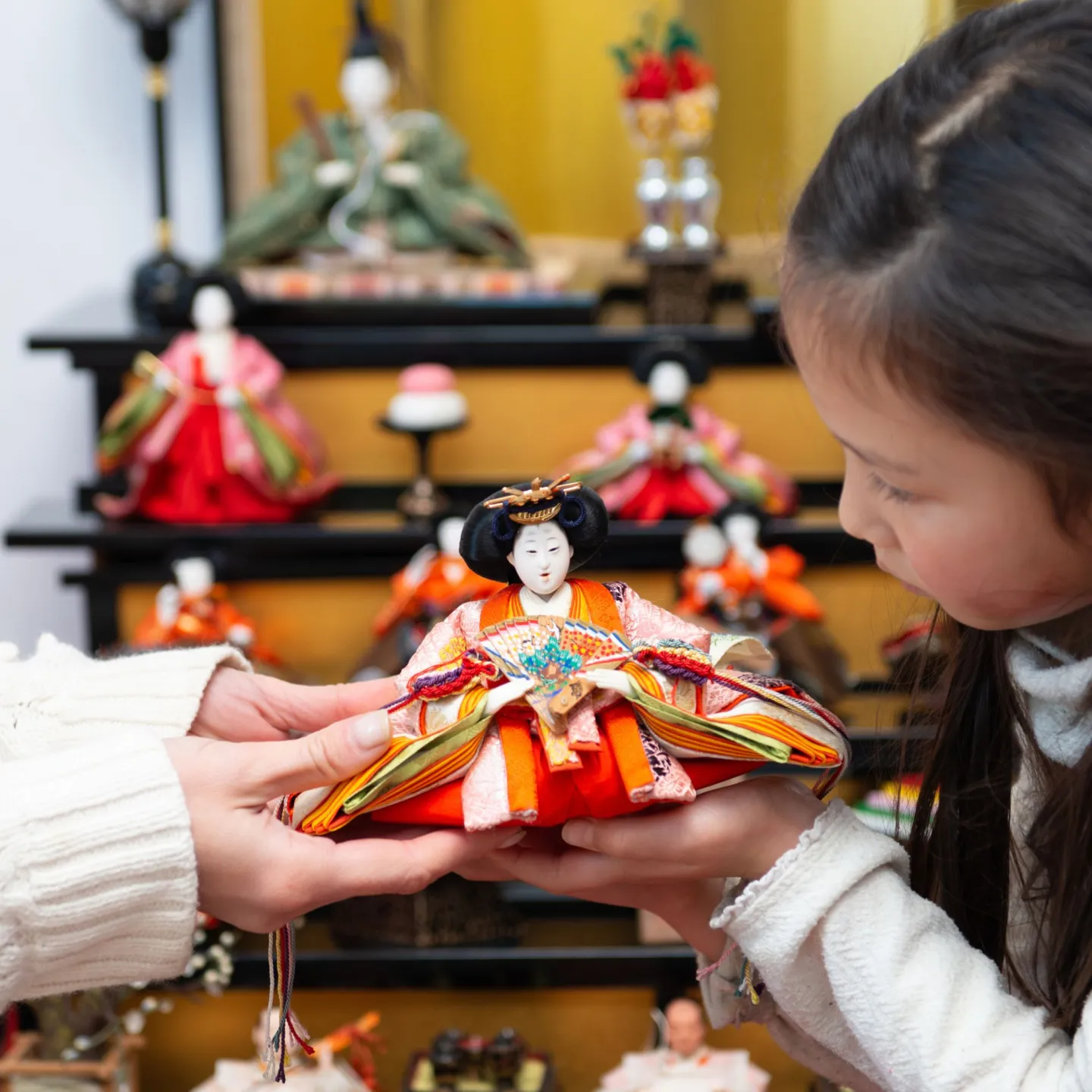
In traditional homes - particularly in Kyoto - antique dolls passed down through generations remain treasured symbols of family continuity and care.
Hina Dolls: Artistry and Symbolism
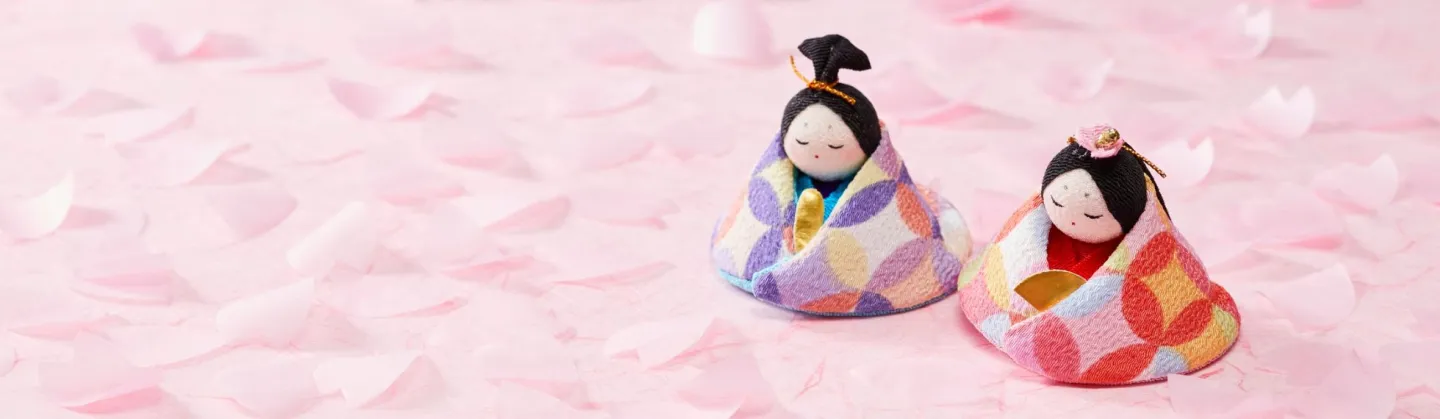
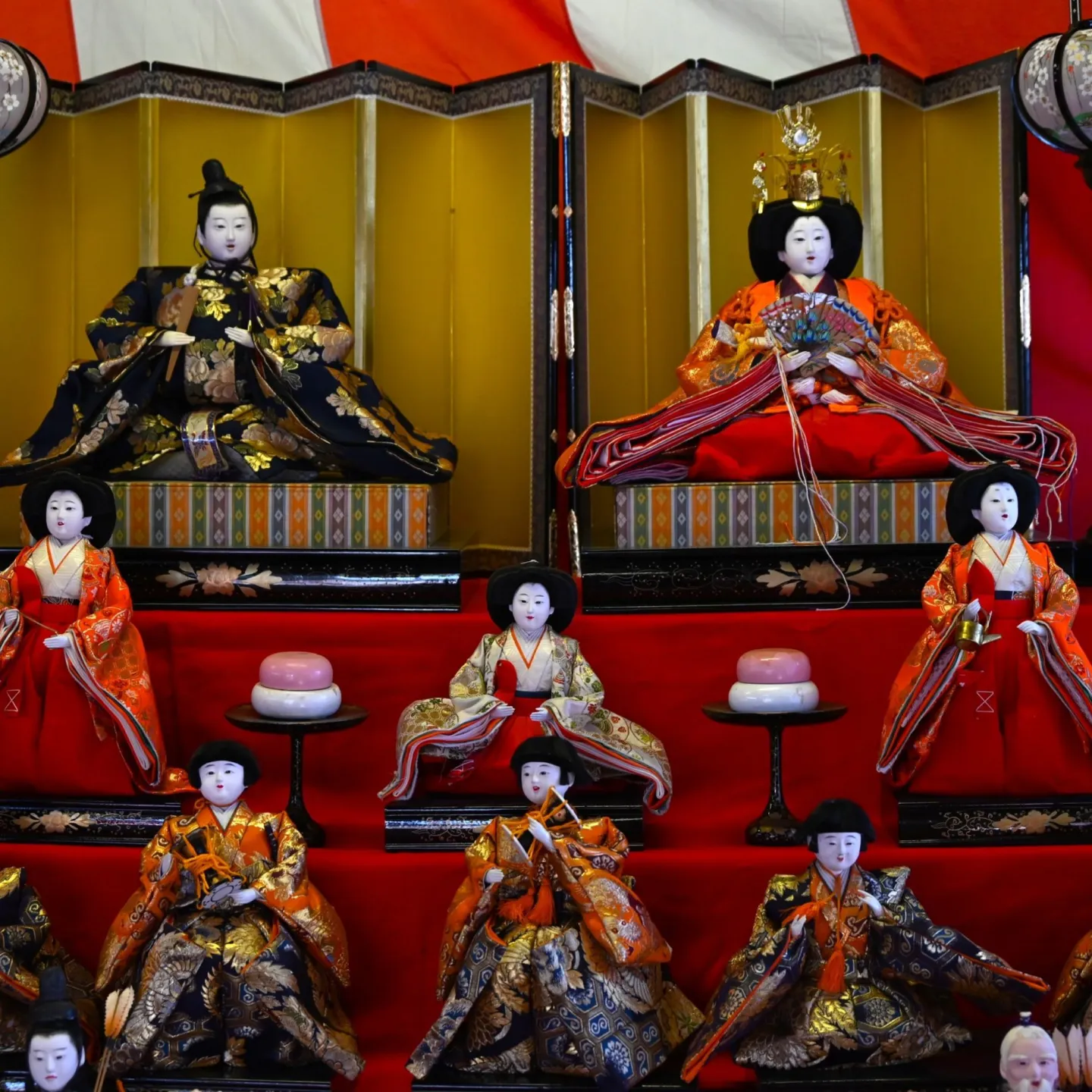
At the heart of Hinamatsuri are the Hina Ningyō, intricately crafted dolls representing an imperial wedding from the Heian era.
Far from simple decorations, these dolls are true works of art, created by skilled artisans using refined techniques.
In a traditional seven-tier display (shichidan kazari), one typically finds:
- The Emperor and Empress
- Three court ladies
- Five court musicians
- Imperial guards and attendants
The layered silk garments, particularly the jūnihitoe (a twelve-layer ceremonial kimono), reflect the sophistication of classical Japanese color aesthetics.
Hinamatsuri is therefore both a family celebration and a tribute to Japan’s artistic heritage.
The Taste of Spring
As in France, gastronomy plays an essential role in Japanese seasonal celebrations.
Hinamatsuri dishes are chosen not only for their beauty but also for their symbolism:
- Chirashi-zushi: vinegared rice topped with auspicious ingredients — shrimp for longevity, lotus root for clarity of vision.
- Clear clam soup: clams symbolize harmonious marriage, as each shell perfectly matches only its counterpart.
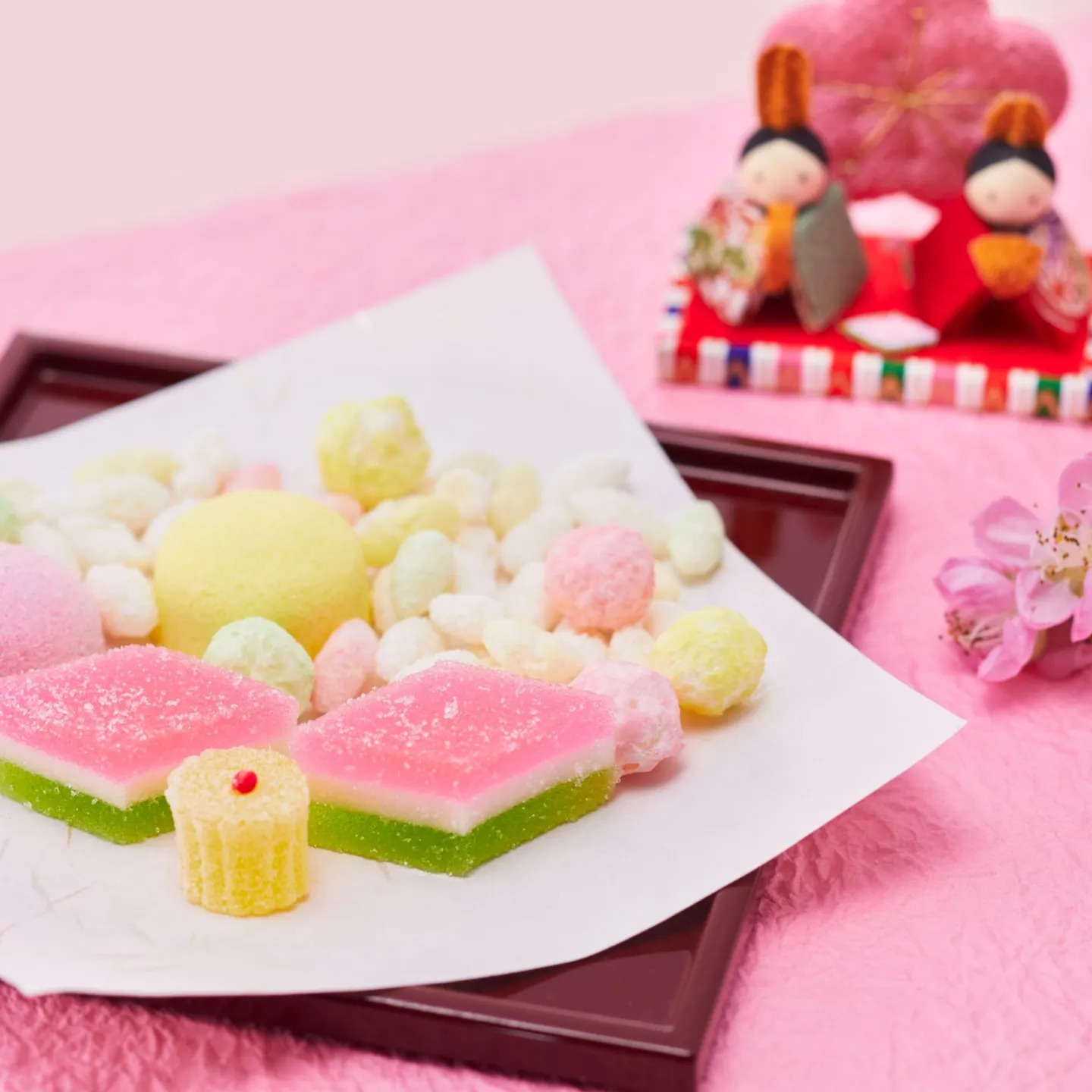
- Hishimochi: layered rice cakes in pink (peach blossoms), white (snow), and green (young grass), representing the transition from winter to spring.
- Hina-arare: colorful rice crackers symbolizing the four seasons and year-round happiness.
Each element carries a wish for health, prosperity, and harmony.
A Living Tradition
While deeply rooted in history, Hinamatsuri continues to evolve with modern life.
Today, many families opt for:
- Compact displays suited to urban apartments
- Contemporary wooden or glass-encased arrangements
- Creative reinterpretations, including modern doll collaborations
In recent years, Hinamatsuri has also become an occasion for refined gatherings among friends, blending traditional cuisine with a contemporary sensibility.
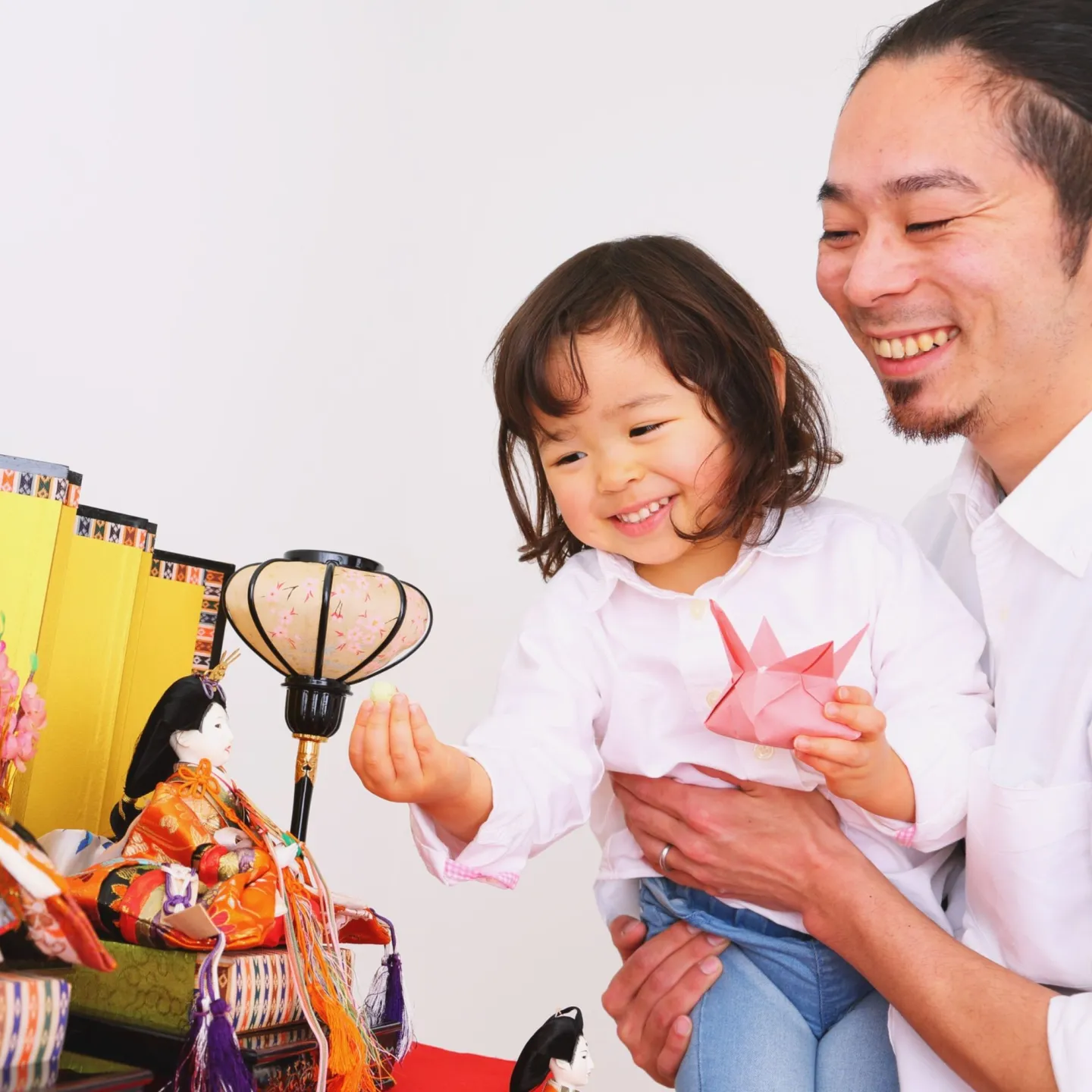
Experiencing Hinamatsuri
In Japan, large-scale doll festivals and historical exhibitions take place in early March, showcasing impressive collections of antique Hina dolls.
In France, Japanese cultural centers and specialty confectioneries occasionally mark the season with traditional sweets or exhibitions, offering a glimpse into this refined celebration.
More than a children’s festival, Hinamatsuri expresses a deeper sentiment - the joy of renewal after winter and the beauty of seasonal transition.
An Elegant Ephemerality
A popular saying in Japan suggests that the dolls should be put away promptly after March 3rd, or a daughter’s marriage may be delayed. Beyond superstition, this custom reflects a cultural appreciation for the rhythm of the seasons and the importance of closing each chapter with intention.
Hinamatsuri is not simply a day for young girls; it is a celebration of family, renewal, and aesthetic refinement.
Through traditions such as these, Japan expresses its enduring values of transmission, precision, and harmony - a spirit that continues to inspire far beyond its borders.